Getting a meaningful State Farm quote takes more than a name and the car model. Agents ask for details because premiums are risk-based, and small bits of information can swing a quote by hundreds of dollars a year. I’ve sat across desks with dozens of people in the past decade, sorting through cluttered glove boxes and phone photos to pull together the facts agents actually use. This guide walks through the practical information to collect, why each piece matters, common stumbling blocks, and how to present your situation so the quote you get is accurate and useful.
Why bother preparing A rushed quote often underestimates or overestimates your exposure. Underestimate and you face surprise premiums at renewal or gaps when filing a claim. Overestimate and you pay too much for cover you do not need. Agents prefer realistic numbers because that builds trust and avoids awkward mid-term adjustments. A well-prepared customer also speeds up the process, which matters when you are comparing several carriers or trying to meet a dealership deadline.
What State Farm asks for, and why it matters When you call a State Farm agent or use their online quoting tools, you will be asked about yourself, your household, each vehicle, and your driving history. Each category affects risk assessment differently.
Personal details and household composition Your age, marital status, and primary residence influence rates. Younger drivers typically pay more because statistics show higher claims frequency. Married drivers often receive discounts through lower perceived risk. Where you park the vehicle at night matters a lot. Street parking in a dense urban area with theft and vandalism risk will raise your premium relative to a secured garage.
If you live with other licensed drivers, their histories are relevant. A clean-driving spouse can lower your household rate. Conversely, a teenager still on their learner permit or a roommate with recent infractions will push the number up. Tell the agent who lives in the household, not just who will drive the car occasionally. State Farm, like other insurers, prices the household as the risk unit.

Vehicle specifics that change the quote Model year, trim level, safety features, anti-theft devices, and mileage all matter. Two cars of the same make and model but different trims can have different premiums if one has advanced driver assists and the other does not. Theft statistics for certain models also influence rates, so include the vehicle identification number when possible. The VIN lets the agent check factory equipment and theft history automatically, reducing guesswork.
Your intended use for the car is essential. A daily commute of 45 miles each way is a different risk profile than weekend errands only. Business use, such as driving for a rideshare company, requires different coverage and will usually increase cost. Be explicit about mileage and purpose rather than using vague phrases like occasional use.
Driving record, license status, and claims history Accidents, tickets, and at-fault claims are the strongest levers on your premium. Provide dates and brief descriptions of incidents going back at least five years. State Farm, like most insurers, focuses on recent infractions more heavily, but older claims can still affect rates depending on severity. If you have a suspension or DUI, be upfront; hiding it can invalidate a future claim.
If you have an SR-22 filing, that signals high-risk status and should be discussed with an agent experienced in high-risk placements. A clean record with three to five years of no at-fault accidents can unlock substantial discounts; ask the agent which specific discounts you qualify for based on time since last incident.
Coverage choices and limits Deciding how much liability, collision, and comprehensive coverage you need is part technical, part judgment. Liability limits should reflect your assets and state minimums. Mention if you have a mortgage, small business assets, or other exposures that suggest higher limits. Collision coverage protects your own vehicle after an at-fault crash, while comprehensive covers non-collision events like hail, theft, or hitting an animal. Deductible size moves premiums; a higher deductible lowers your premium but increases out-of-pocket costs at a claim.
If you own a newer car and carry a loan or lease, your lender will require full coverage. Gap coverage can be critical for vehicles that depreciate faster than loan balance. Ask the agent for examples of how different deductibles and limits affect your annual premium, and have a copy of your loan or lease paperwork handy if you want the agent to verify requirements.

Discounts you should ask about State Farm offers a range of discounts but they are not automatic. Some require enrollment or evidence. If your car has factory-installed anti-theft or anti-lock brakes, mention that. If you have multiple vehicles or bundle homeowners insurance with State Farm, those are easy wins. Good driver discounts typically take time to earn, while some discounts for students are date-sensitive, so have school enrollment information or grades ready if applicable.
The timing story matters. I remember a young teacher who waited until late August to apply for a student discount. Her school verification took three weeks, and she missed the initial policy effective date. Start the conversation early if you expect to leverage time-limited discounts.
Documents to have ready Below is a short checklist to prepare before you contact a State Farm agent. It speeds the process and cuts down on follow-up calls.
- driver's license for each household driver, vehicle registrations, and VINs recent insurance card or policy declarations page if you want a transfer or comparison a brief list of tickets, accidents, and claims with dates and fault status loan or lease agreement if the vehicle is financed, and any employer or school verification for discounts preferred coverage limits and deductible amounts, or a note about budget constraints
How to present messy or incomplete histories Not everyone has neat records. Maybe you moved recently and do not have access to a previous policy document, or an older ticket shows up differently on a background check than you recall. Be honest and give approximate dates if you must. Agents can often verify details through your state DMV or previous insurers, but that takes time. If you suspect something will show up as a surprise, tell the agent upfront and ask how it will affect the quote.
An anecdote: a client once told me a minor fender-bender in 2017 did not go on their record. It did, and it changed the quote substantially. We re-quoted with the accurate history and adjusted expectations. Both the client and agent left the meeting informed rather than surprised later.
Shopping strategy and multiple quotes If you plan to get several quotes, standardize the inputs you give each insurer. Use the same coverage limits, deductibles, and vehicle uses. I advise creating a one-page summary with household members, VINs, mileage, and a condensed claims list. Email it to each agent or input it into online quote forms so you are comparing apples to apples.
Be aware that some carriers weight certain items differently. One company may offer a better discount for anti-theft devices, another may be more forgiving of a single minor accident. Ask the agent to explain which factors influenced your specific quote. If a quote seems unusually low, request a written breakdown. Very low initial quotes can reflect omitted drivers or incorrect mileage estimates.
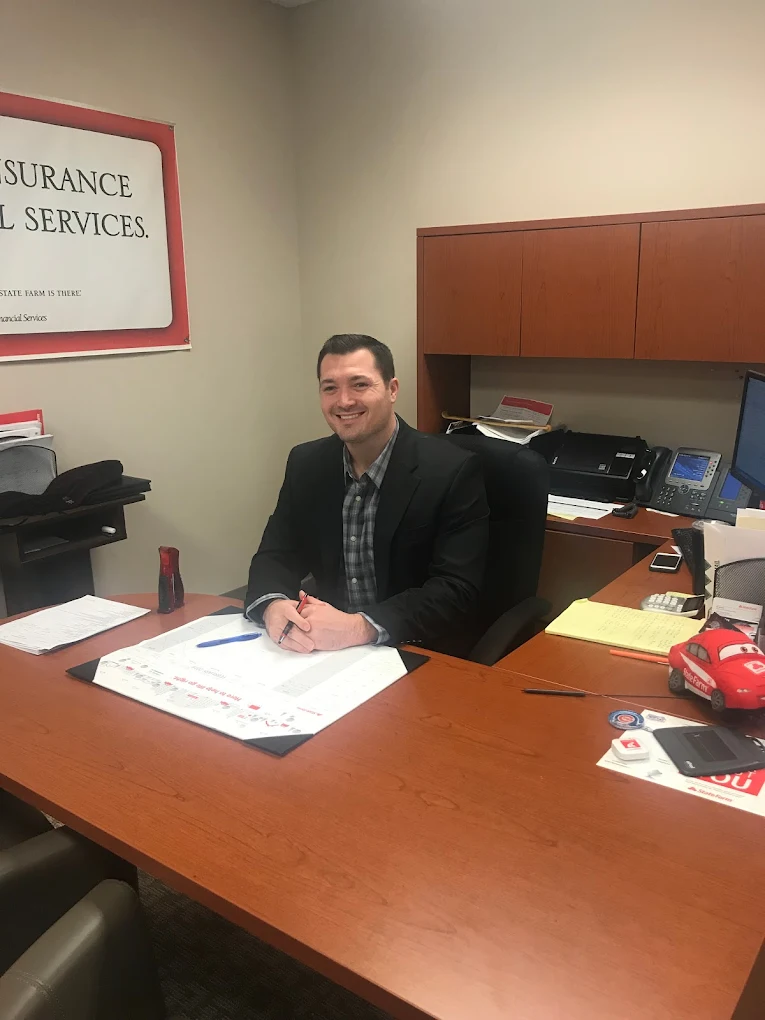
Handling special situations If you have a classic kyledempsey.com State farm agent car, multiple drivers who use the vehicle sporadically, or you drive for a ride-hailing company, disclose this early. Classic car policies have mileage limits and storage conditions. Rideshare drivers require commercial endorsements in many states. Occasional drivers who are not household members might need non-owner liability coverage.
If you have recently moved to a different state or ZIP code, expect a rate change when your policy renewal hits. Insurers price risk by geography. Moving from a low-crime suburb to a dense downtown ZIP code can raise premiums substantially even with the same driver and car. Conversely, moving to a less risky area can yield savings. Provide the exact new address when seeking a quote, not just the city.
What to ask the agent during the quote Bring questions that surface actionable differences, not generic marketing claims. Here are a few examples to guide the conversation, phrased to elicit concrete responses rather than slogans.
- Which discounts apply to my household and what documentation do you need to apply them? How would my premium change if I raise the deductible to a specific dollar amount? For this vehicle, what is the estimated replacement cost and does gap coverage make sense? Are there driver training courses, telematics programs, or usage-based discounts available and what is the enrollment process? What is the claims process like here, and do you handle claims locally or refer to a regional office?
Understanding telematics and usage-based programs State Farm offers Drive Safe and Save and similar programs where telematics data can reduce premiums for low-risk driving. If you are a safe driver with low mileage, these programs can deliver meaningful savings, but they involve sharing driving data for a trial period. Ask about how long the program monitors you, what metrics they use, and whether earnings are guaranteed or conditional. If you drive for work or need tight privacy controls, weigh the trade-off between potential savings and data sharing.
Common mistakes that cost money or time People often make avoidable errors when getting quotes. One is using inaccurate vehicle information. State the exact trim level and provide the VIN when possible. Another mistake is failing to disclose household drivers or recently added teenagers. Omitting a regular driver can invalidate a claim and lead to rescinded coverage.
A third misstep is not timing your policy change. If you buy a car at the dealership and do not secure coverage the same day, you can be exposed. Request a binder or temporary coverage start date aligned with the purchase. A fourth error is not asking about bundling options. Bundling auto and home can reduce overall costs substantially, but it helps to know the current market and what you are giving up in flexibility when you bundle.
How agents help beyond the quote A good State Farm agent does more than generate a number. They explain coverages, help you prioritize based on your assets, and assist during claims. Local agents can also give practical advice about regional risks like flood-prone roads or hail season timing. If you search for "Insurance agency near me" or "Insurance agency Hammond" and get a local agent, ask for recent examples of common claims in your area. Those conversations reveal whether the agent understands local nuances and whether their recommendations will be practical.
When to use online quoting vs agent interaction Online tools are fast for baseline comparisons, but they can miss nuances. If your situation is straightforward and you only want a ballpark, an online quote may suffice. If you have multiple vehicles, drivers with mixed records, or need higher limits and endorsements, speak to an agent. Complex situations benefit from human judgment, especially when coverage choices intersect with asset protection strategies.
Final practical checklist before you call or visit A brief preparatory checklist saves time and improves quote accuracy. Gather IDs and VINs, assemble a concise driving history for all household drivers, decide on coverage priorities and a budget range, and note any discounts you expect to claim. If you plan to visit a local office, call ahead to confirm what documents they recommend bringing.
Finding the right State Farm agent Not every office has the same expertise. Search for a local "State Farm agent" or try "Insurance agency near me" and look for recent reviews that mention responsiveness and clarity. If you live in the Hammond area, adding the phrase "Insurance agency Hammond" to your search can surface agents familiar with the local market. A short phone call can reveal how quickly they return messages and whether they will take the time to explain trade-offs with concrete numbers.
Getting a quote should be straightforward if you prepare. With the right documents and a clear sense of your coverage needs, you can move from guesswork to an accurate, comparable State Farm quote that reflects your real exposure. Agents appreciate customers who come prepared, and the resulting dialogue is more productive — you get a policy that fits, and the agent can focus on meaningful choices rather than chasing down missing details.